
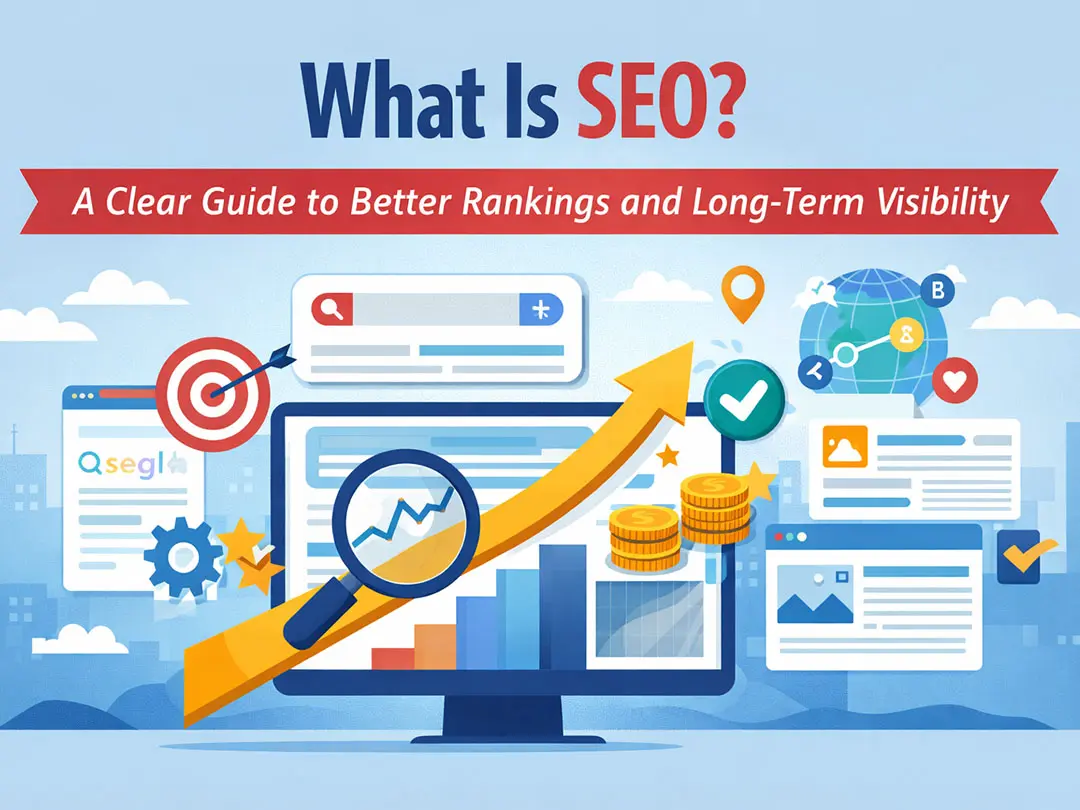
For businesses competing in Tampa Bay, visibility in search results often determines success or obscurity. Search engine optimization, commonly called SEO, is the structured process of improving a website so it appears more prominently in search results.
When executed correctly, SEO strengthens credibility, increases qualified traffic, and supports sustained growth through local SEO strategies that align with how customers actively search for services online.
Understanding the Meaning of SEO
SEO is the process of making a website easier for search engines to read, index, and rank its content. Before deciding which pages to show first, search engines consider hundreds of factors. Some of these are relevance, authority, usability, and technical performance. SEO gives a website structure and clarity, which helps it show users and search engines what it has to offer.
SEO differs from paid advertising because it focuses on organic results. Users trust these listings the most because they are earned, not bought. Long after the initial work is complete, a well-optimized website will continue to attract potential customers.
How Search Engines Rank Websites
Search engines use automated systems to crawl the internet, assess content quality, and determine where it should be ranked. These systems give higher priority to pages that clearly and reliably answer users’ questions. The quality of the content, the relevance of the keywords, and the layout of the pages all influence a site’s performance.
Technical parts are also important. Search engines can tell if a website has a favorable user experience by how quickly it loads, how safe its connections are, and how well it works on mobile devices. SEO ensures that these parts work together smoothly.
The Core Components of SEO
SEO comprises numerous interconnected components. Content, headings, internal links, and metadata are all important parts of on-page optimization. Off-page optimization focuses on authority, mostly by getting high-quality backlinks from well-known websites. Technical optimization involves site speed, crawlability, indexing, and structured data.
Every part helps the others. Content that isn’t technically stable will have a difficult time ranking. Visitors won’t be interested if the technical quality is high, but the content isn’t useful. SEO that works balances all areas to get results that last.
Why SEO Is Essential for Businesses
People often use search engines to learn about services before making a decision. Being near the top of search results builds trust and shows that you are an expert. Companies that don’t pay attention to SEO often lose business to competitors who do.
SEO also helps with other marketing efforts. When search visibility is high, content marketing, social engagement, and brand awareness all do better. SEO lowers the need for paid ads and the cost of getting new customers over time.
Common SEO Misconceptions
A common misconception is that SEO works right away. SEO is actually a long-term plan. Search engines slowly improve rankings as they see consistent quality and authority.
People also think that SEO is only about keywords. Keywords are still important, but modern SEO emphasizes user intent, content depth, and technical reliability. Search engines now give higher rankings to sites that actually help users instead of just repeating phrases.
Frequently Asked Questions About SEO
How long does SEO take to work?
SEO typically requires several months before meaningful improvements appear. Timelines vary based on competition, website condition, and consistency of effort.
Is SEO a one-time task?
SEO is ongoing. Search engines update algorithms, competitors improve their websites, and user behavior evolves. Regular optimization is necessary to maintain rankings.
Can small businesses benefit from SEO?
Yes. SEO allows smaller businesses to compete by targeting specific services and locations. Strategic optimization frequently creates equal opportunities for smaller businesses to compete with larger companies.
Does SEO only apply to Google?
While Google is the dominant search engine, SEO best practices also improve visibility on other platforms, such as Bing and voice search systems.
Is content still important for SEO?
Content remains central to SEO success. High-quality, well-structured content helps search engines understand relevance and provides value that encourages engagement.
The Long-Term Value of SEO
SEO is an investment in digital stability. While advertising trends change quickly, search behavior remains consistent. Businesses that build strong SEO foundations create assets that continue generating leads and visibility over time.
A disciplined SEO approach also improves website usability, clarity, and credibility. These benefits extend beyond rankings, influencing how customers perceive and trust a brand.
When implemented strategically, SEO becomes a powerful driver of sustainable growth. Businesses in Tampa Bay that prioritize local SEO gain stronger visibility, increased trust, and long-term competitive advantage. For businesses seeking organized, honest, and effective optimization, Affordable Dental SEO offers expert help to achieve steady rankings and clear results.
Picture Source: AI-generated